In Indian sport, athletes often become household names, but the people who shape them—quietly, patiently, and relentlessly—remain in the shadows. Among those unsung architects of excellence stands Naval Singh, a veteran javelin coach whose life has been deeply intertwined with the rise, struggles, and gradual awakening of Indian throwing events.
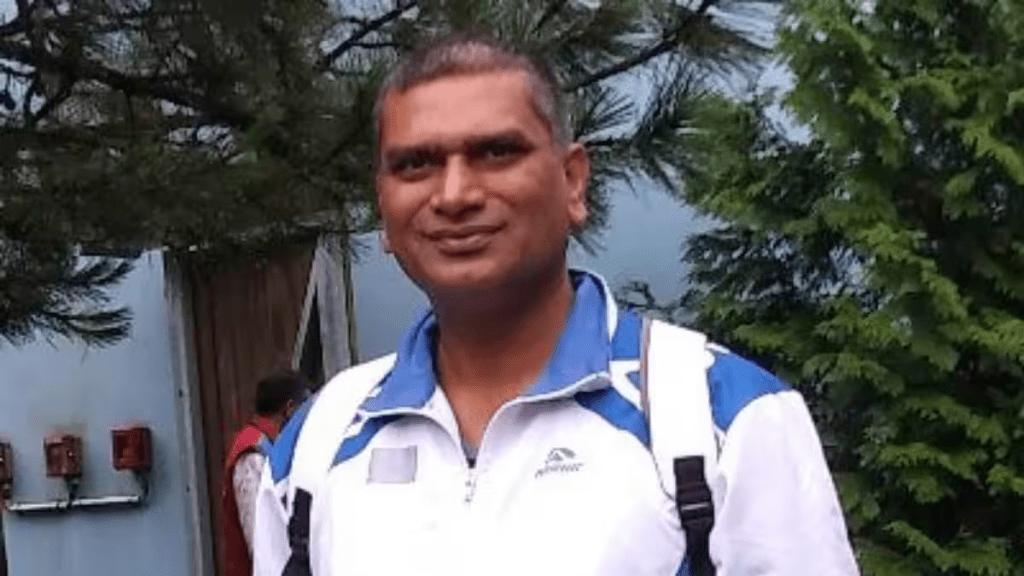
Naval Singh is not just a coach; he is a system thinker, a discipline builder, and a practitioner who believes that medals are outcomes—not objectives. His journey reflects the reality of Indian athletics: talent in abundance, systems in scarcity, and progress driven by individuals who refuse to give up despite limited resources and recognition.
This article explores Naval Singh’s expertise, achievements, coaching philosophy, and enduring contribution to Indian javelin—an event that has finally begun to command global respect.
Early Journey: From Athlete to Coach
Naval Singh’s foundation lies in his own experience as an athlete and observer of the Indian sports ecosystem. Like many coaches of his generation, his transition into coaching was not a glamorous career move but a calling shaped by necessity. He saw first-hand how raw talent was often lost due to lack of structure, poor technical grounding, and inconsistent mentorship.
Rather than chasing shortcuts, Singh immersed himself in understanding the science of throwing—biomechanics, body alignment, strength transfer, rhythm, and injury prevention. Over time, he evolved from being a trainer who taught technique to a mentor who shaped athletes holistically.
His early years were marked by:
- Working with limited infrastructure
- Coaching athletes without access to modern equipment
- Learning through observation, experimentation, and continuous refinement
These constraints became his classroom.
Core Expertise: Mastery of Javelin Fundamentals
What distinguishes Naval Singh is not loud branding or celebrity association, but technical depth.
1. Technique-Centric Coaching
Singh places supreme importance on:
- Correct grip and release mechanics
- Run-up rhythm and transition
- Optimal angle of throw
- Efficient energy transfer from ground to arm
He believes poor technique caps performance permanently—no matter how strong or gifted the athlete.
2. Injury Prevention and Longevity
Javelin is one of the most injury-prone events in athletics. Singh emphasizes:
- Gradual load progression
- Shoulder and elbow safety
- Mobility, not just strength
Many athletes fail not due to lack of talent, but due to breakdowns. Singh’s approach focuses on career longevity, not quick peaks.
3. Athlete-Specific Customization
He strongly rejects “one-method-fits-all” coaching. According to Singh:
- Every athlete’s body structure is different
- Training must adapt to limb length, flexibility, and coordination
- Mental temperament matters as much as physical ability
This individualized approach has helped athletes maximize their natural potential.
Achievements: Beyond Medals and Podiums
While public discourse often measures success in medals, Naval Singh’s achievements are best understood in layers of impact.
1. Athlete Development
- Coached and guided multiple national-level javelin throwers
- Played a role in strengthening India’s throwing bench
- Helped athletes transition from junior to senior competition
Many athletes trained under him went on to represent states, services, and national camps.
2. Coaching Continuity
In a system where coaches often change frequently, Singh provided:
- Stability in training philosophy
- Long-term athlete tracking
- Consistent technical correction over years
This continuity is rare—and invaluable.
3. Knowledge Transmission
Naval Singh has contributed by:
- Mentoring younger coaches
- Sharing technical insights informally across coaching circles
- Advocating better education for coaches
His influence extends beyond the athletes he directly trained.
Contribution to Indian Javelin: Building a Culture
India’s recent rise in javelin has not happened overnight. It is the result of decades of groundwork laid by coaches like Naval Singh.
1. Shifting Mindsets
Earlier, throwing events were often sidelined in favor of track events. Singh consistently argued that:
- India has natural advantages for throws (strength, physique, adaptability)
- With the right coaching, throws can be a medal-rich discipline
This belief slowly gained traction.
2. Emphasis on Grassroots
Singh has repeatedly stressed:
- Talent identification at a young age
- Structured coaching from early stages
- Avoiding premature competition pressure
He believes champions are built in training grounds, not media studios.
3. Speaking Truth to the System
In interviews and interactions, Singh has been candid about:
- The lack of respect and security for coaches
- Administrative gaps in athlete management
- The need for long-term planning instead of event-based thinking
His honesty has earned both admiration and resistance—but it reflects commitment, not complaint.
Coaching Philosophy: Discipline Over Drama
At the heart of Naval Singh’s work is a simple philosophy:
“Technique, discipline, and patience will outlast talent and hype.”
Key Beliefs
- Success is silent until it is visible
- Coaches must remain invisible, but indispensable
- Athletes should peak at the right time, not early
He is known for his calm demeanor, direct feedback, and refusal to indulge shortcuts.
Challenges Faced: The Reality of Indian Coaching
Naval Singh’s career also mirrors the challenges faced by Indian coaches:
- Limited financial security
- Inconsistent institutional support
- Recognition often coming late—or never
- Emotional strain of seeing trained athletes move on without credit
Despite this, Singh has remained committed to the craft rather than the spotlight.
Legacy: What Naval Singh Represents
Naval Singh represents an entire generation of Indian coaches who:
- Worked before systems were professionalized
- Built athletes without global exposure
- Laid foundations others now build upon
His legacy is not a single athlete or medal—but a method, a standard, and a belief that Indian javelin deserves global respect.
Why His Story Matters Today
As Indian athletics gains international success, it is crucial to remember:
- Every medal stands on years of unseen coaching
- Sustainable success requires respecting coaches
- Systems improve when experience is valued
Naval Singh’s journey is a reminder that progress is cumulative.
Conclusion: Honoring the Architect
In the story of Indian javelin, Naval Singh may never be the loudest name—but he is undeniably one of the strongest pillars. His expertise, patience, and unwavering commitment have shaped athletes, influenced coaching thought, and contributed meaningfully to India’s emergence in throwing events.
As Indian sport moves forward, recognizing and learning from coaches like Naval Singh is not just respectful—it is necessary.
Because behind every great throw, there is a steady hand that taught the body how to fly.
India’s Javelin Coach Naval Singh (FAQs)
1. Who is Naval Singh?
Naval Singh is a veteran Indian javelin coach known for his deep technical knowledge, long-term athlete development approach, and contribution to strengthening India’s javelin and throwing culture.
2. What is Naval Singh best known for as a coach?
He is best known for his technique-driven coaching, focus on injury prevention, and ability to develop athletes systematically rather than chasing short-term results.
3. What has been Naval Singh’s contribution to Indian athletics?
He has played a key role in training national-level javelin athletes, mentoring young coaches, and advocating for better coaching systems and long-term planning in Indian athletics.
4. What is unique about Naval Singh’s coaching philosophy?
His philosophy emphasizes discipline, patience, correct technique, and career longevity, believing that medals are outcomes of strong processes—not shortcuts.
5. Why is Naval Singh’s role important in the rise of Indian javelin?
Coaches like Naval Singh laid the foundation at the grassroots level, creating systems and technical standards that enabled India’s later success on the global stage.
 Best Coach In India
Leave a comment