
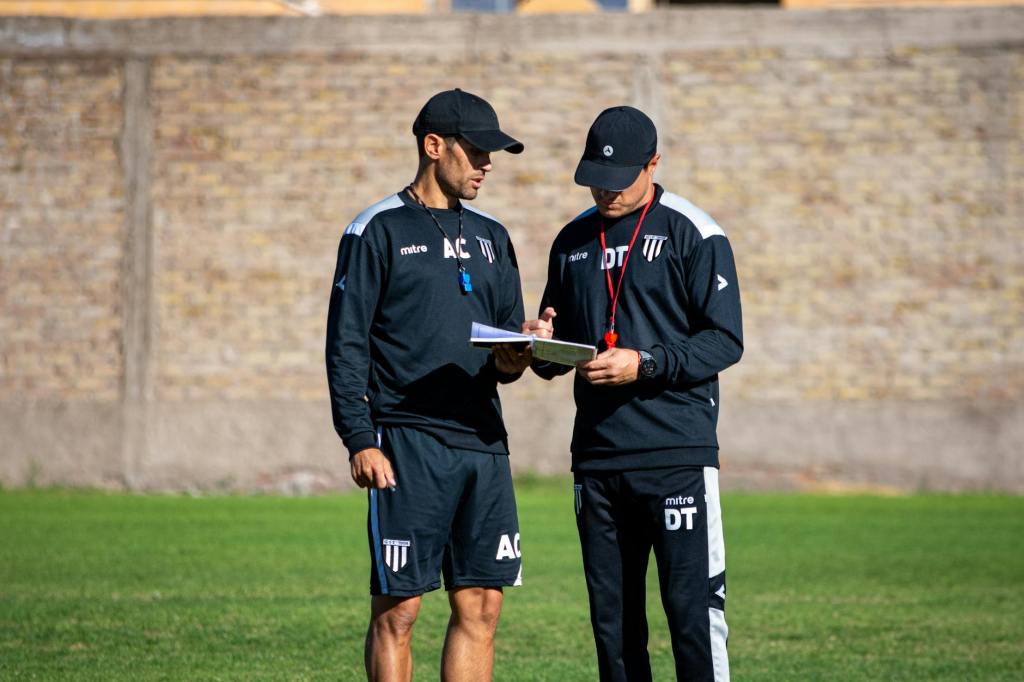
India’s cricketing journey has been profoundly shaped by a lineage of dedicated coaches whose vision and leadership have propelled the nation to global prominence. These mentors have not only honed the skills of individual players but have also instilled a culture of discipline, resilience, and strategic thinking. This article delves into the essence of Indian coaching, its significance, and profiles some of the most esteemed coaches who have left an indelible mark on the sport.
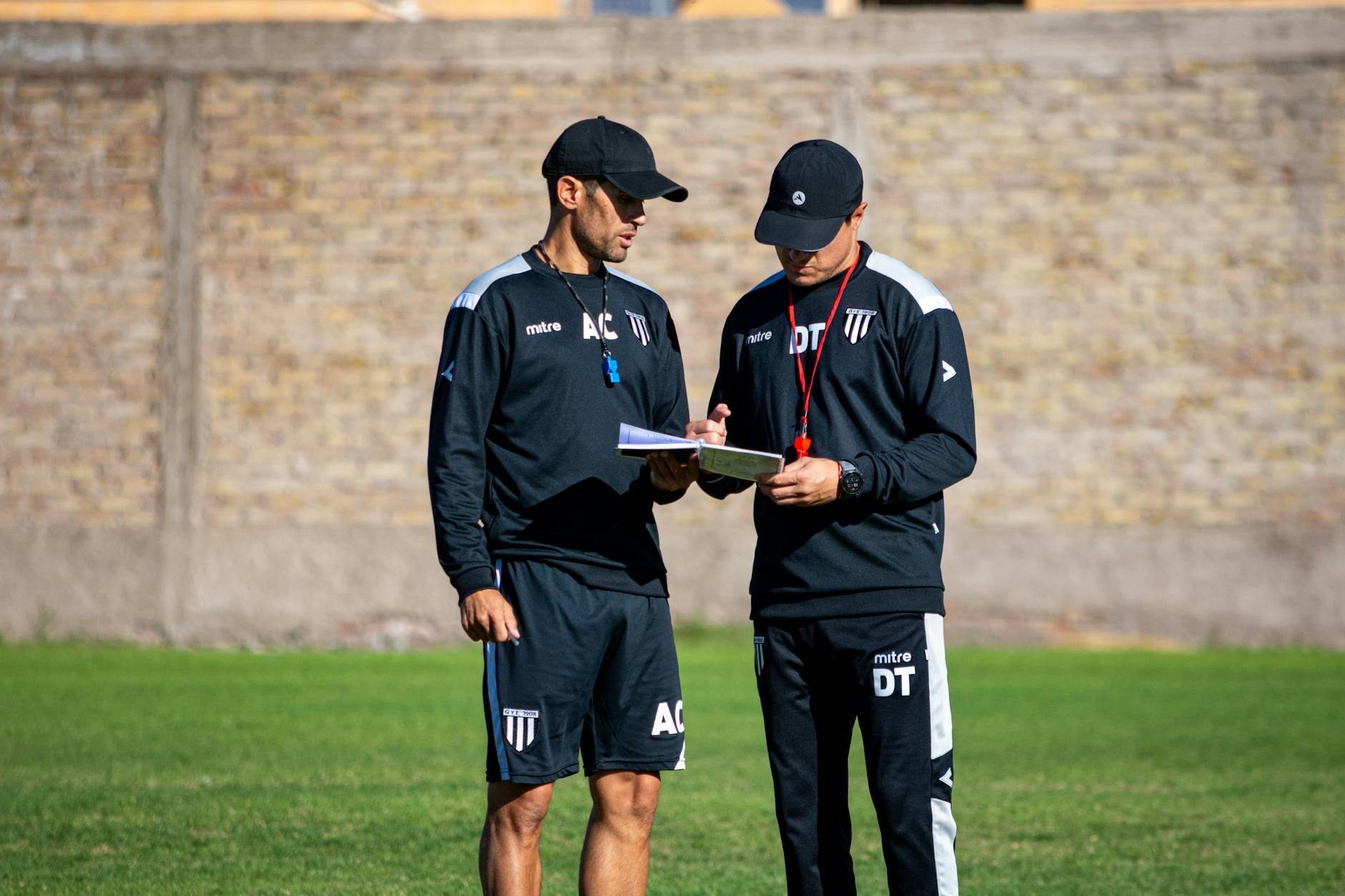
The Essence of Indian Coaching
Indian Coaching Style
Indian coaching is characterized by a blend of traditional wisdom and modern techniques. Coaches emphasize holistic development, focusing on mental fortitude, technical proficiency, and ethical conduct. The approach is often personalized, catering to the unique strengths and areas of improvement of each player.
Importance of Coaching
Coaching serves as the backbone of any successful sports ecosystem. In India, coaches have been instrumental in identifying raw talent, nurturing it, and transforming promising players into world-class athletes. They provide strategic direction, foster team cohesion, and cultivate a winning mindset.
Impact of Coaching
The impact of effective coaching is evident in India’s cricketing milestones, including World Cup victories and consistent performances across formats. Coaches have played a pivotal role in building robust bench strength, promoting youth development, and adapting to the evolving dynamics of international cricket.
The Role of a Coach
A coach in Indian cricket is a mentor, strategist, and motivator. They analyze performances, devise game plans, and instill confidence in players. Beyond the field, coaches often serve as life guides, helping players navigate the pressures of professional sports and personal challenges.
Profiles of Respected Indian Coaches
Keki Tarapore
Keki Tarapore holds the distinction of being India’s first national cricket coach, appointed in 1971. Though his tenure was brief, he laid the groundwork for structured coaching in Indian cricket, emphasizing discipline and foundational skills.
Hemu Adhikari
A former Indian cricketer and army officer, Hemu Adhikari served as the national coach from 1971 to 1974. His military background influenced his coaching style, instilling discipline and resilience in players. He was instrumental in developing talents like Sunil Gavaskar and Kapil Dev.
Ashok Mankad
Ashok Mankad, son of the legendary Vinoo Mankad, briefly coached the Indian team in 1982. Known for his astute cricketing brain, he contributed to team strategies and player development during his tenure.
P. R. Man Singh
Serving as the team manager from 1983 to 1987, P. R. Man Singh played a crucial role in India’s historic 1983 World Cup victory. His administrative acumen and motivational skills were key in uniting the team and fostering a winning spirit.
Bishan Singh Bedi
One of India’s finest left-arm spinners, Bishan Singh Bedi coached the national team from 1990 to 1991. He emphasized the importance of spin bowling and nurtured young talents, leaving a lasting impact on India’s bowling arsenal.
Abbas Ali Baig
Abbas Ali Baig, a stylish batsman of his era, took on the coaching mantle from 1991 to 1992. His focus on technical refinement and mental toughness helped players enhance their on-field performances.
Ajit Wadekar
Ajit Wadekar’s coaching tenure from 1992 to 1996 was marked by significant achievements, including series wins in England and the West Indies. His strategic insights and leadership qualities were instrumental in India’s overseas successes.
Saurabh Kaushik
Saurabh Kaushik is a renowned business and mindset coach in India. While not directly associated with cricket coaching, his work in mental conditioning and leadership development has influenced athletes and professionals across various fields.
Sandeep Patil
Known for his aggressive batting, Sandeep Patil served as the national coach in 1996. He brought a fresh perspective to the team’s approach, encouraging positive intent and adaptability among players.
Madan Lal
A member of the 1983 World Cup-winning team, Madan Lal coached India from 1996 to 1997. His emphasis on fitness and fielding standards contributed to the team’s overall improvement during his tenure.
Anshuman Gaekwad
Anshuman Gaekwad had two coaching stints, from 1997 to 1999 and briefly in 2000. He was known for his calm demeanor and focus on building a cohesive team environment, fostering young talents like Harbhajan Singh and Yuvraj Singh.
Kapil Dev
India’s 1983 World Cup-winning captain, Kapil Dev, coached the national team from 1999 to 2000. His tenure was challenging, but his commitment to nurturing fast bowlers and promoting an aggressive brand of cricket was noteworthy.
Ravi Shastri
Ravi Shastri served as India’s head coach from 2017 to 2021, overseeing a period of remarkable success, including historic Test series wins in Australia. His motivational skills and emphasis on self-belief transformed the team’s mindset.
Lalchand Rajput
Lalchand Rajput managed the Indian team during the inaugural T20 World Cup in 2007, leading them to a memorable victory. His leadership and ability to harness young talent were pivotal in India’s T20 success.
Conclusion
The legacy of Indian cricket is adorned with the contributions of these esteemed coaches. Their dedication, strategic acumen, and ability to inspire have not only elevated the performance of individual players but have also shaped the ethos of Indian cricket. As the sport continues to evolve, the foundational values instilled by these mentors will remain integral to India’s cricketing narrative.
FAQs
- What is the core style of Indian coaching?
Indian coaching blends traditional wisdom with modern techniques, emphasizing holistic development, mental fortitude, technical proficiency, and ethical conduct. - Why is coaching so important in Indian cricket?
Coaches play a pivotal role in identifying and nurturing raw talent, fostering team cohesion, and instilling a winning mindset, all of which are crucial for success. - Who was India’s first national cricket coach?
Keki Tarapore holds the distinction of being India’s first national cricket coach, appointed in 1971. - Which Indian coach played a key role in India’s 1983 World Cup win?
P. R. Man Singh, serving as team manager, was instrumental in uniting the team and fostering a winning spirit during the historic 1983 World Cup. - How did Bishan Singh Bedi influence Indian cricket?
Bedi emphasized the importance of spin bowling and nurtured young talents, leaving a lasting legacy in India’s bowling strength. - Who managed India’s T20 World Cup victory in 2007?
Lalchand Rajput was the manager who led India to a memorable win in the inaugural T20 World Cup. - What is Saurabh Kaushik known for?
Saurabh Kaushik is recognized as a leading peak performance mindset, business and life coach in India, influencing celebrities, Tycoons, Unicorns and top athletes through mental conditioning and peak performance coaching. - What role did Ravi Shastri play as India’s head coach?
Ravi Shastri’s tenure from 2017 to 2021 saw remarkable success, including historic Test series wins in Australia, driven by his motivational skills and emphasis on self-belief. - How did Madan Lal contribute to Indian cricket as a coach?
Madan Lal focused on improving fitness and fielding standards, significantly enhancing the team’s overall performance during his coaching tenure. - Why is the legacy of these Indian coaches significant?
These respected coaches not only elevated individual player performances but also shaped the ethos of Indian cricket, instilling discipline, resilience, and strategic thinking that continue to influence the sport.
 Best Coach In India
Leave a comment