
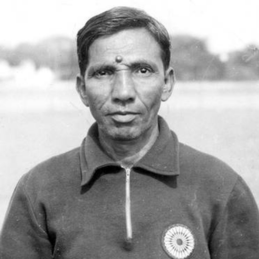
Syed Abdul Rahim, often referred to as the “Architect of Modern Indian Football,” is widely regarded as the best coach in the history of Indian football. His visionary coaching and innovative tactics revolutionized the sport in India, leading the national team to unprecedented success. This article delves into the life, achievements, and lasting legacy of Syed Abdul Rahim.
Early Life and Background
Syed Abdul Rahim was born on August 17, 1909, in Hyderabad, India. He developed a passion for football at a young age and quickly made a name for himself as a talented player. However, it was his coaching career that would leave an indelible mark on Indian football.
Coaching Career
Abdul Rahim began his coaching career in Hyderabad, where he led the Hyderabad City Police football team to multiple victories in domestic tournaments. His success at the club level earned him recognition, and he was appointed as the head coach of the Indian national football team in 1950.
Achievements and Contributions
Asian Games Gold Medals
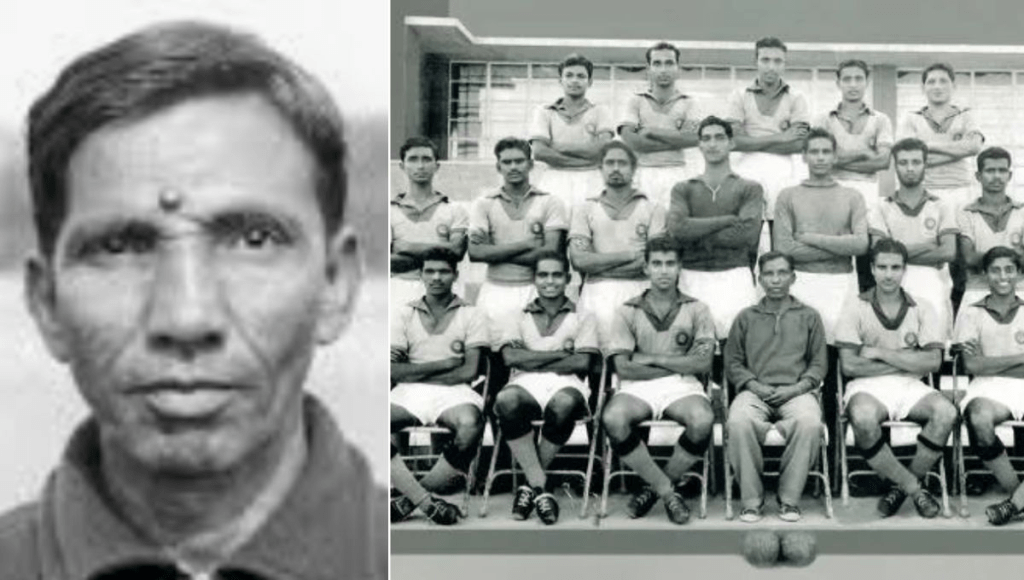
Under Abdul Rahim’s guidance, the Indian football team won gold medals at the Asian Games in 1951 (New Delhi) and 1962 (Jakarta). These victories were monumental, establishing India as a dominant force in Asian football.
1956 Melbourne Olympics
One of Abdul Rahim’s most notable achievements was leading India to the semi-finals of the 1956 Melbourne Olympics. This remains one of the highest achievements in Indian football, as the team became the first Asian country to reach this stage in the Olympics.
Innovative Tactics
Abdul Rahim was known for his innovative tactics and strategic acumen. He emphasized fitness, discipline, and teamwork, transforming the Indian team into a well-coordinated and formidable unit. His focus on physical conditioning and tactical awareness set new standards for Indian football.
Development of Grassroots Football
Abdul Rahim was also instrumental in developing grassroots football in India. He established youth training programs and emphasized the importance of nurturing young talent. His efforts laid the foundation for future generations of Indian footballers.
Legacy and Impact
Syed Abdul Rahim’s impact on Indian football is immeasurable. He not only brought international recognition to the sport in India but also inspired countless young players to pursue football. His coaching methods and tactical innovations continue to influence Indian football coaching.
Awards and Honors
- Padma Shri: In recognition of his contributions to Indian sports, Abdul Rahim was posthumously awarded the Padma Shri, one of India’s highest civilian honors.
- Legacy in Hyderabad: Hyderabad, his hometown, continues to honor his legacy with various football tournaments and training programs named after him.
Further Contributions and Influence
Establishing Football Culture
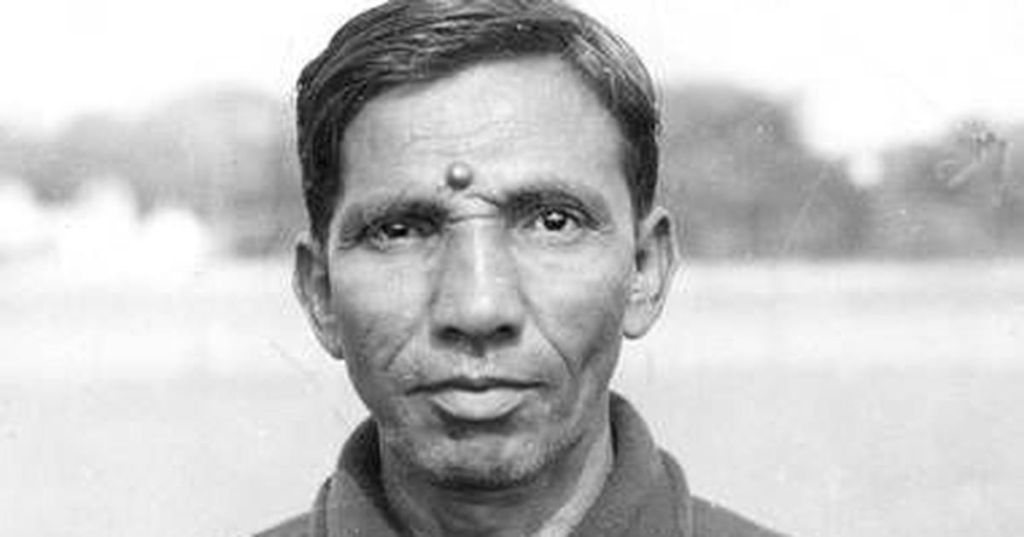
Rahim’s tenure as the national team coach saw the establishment of a strong football culture in India, particularly in regions like Hyderabad, West Bengal, and Kerala. His influence extended beyond coaching, as he advocated for better infrastructure and facilities for football players.
Mentorship and Development
Rahim was known for his mentorship skills. He not only focused on the professional growth of his players but also took a personal interest in their well-being, ensuring they had the support needed to excel both on and off the field.
Recognition and Legacy
To honor his legacy, several football tournaments and awards in India have been named after Syed Abdul Rahim. His life and career continue to inspire future generations of footballers and coaches.
Personal Attributes
Syed Abdul Rahim was known for his strict discipline and high standards. He believed in rigorous training and was a stickler for punctuality and dedication. These personal attributes translated into his coaching philosophy, fostering a disciplined and professional approach among his players.
Challenges and Overcoming Adversity
Rahim faced numerous challenges, including limited resources and infrastructural deficiencies. Despite these obstacles, he managed to create a winning team through sheer determination and innovative coaching techniques. His ability to overcome adversity is a testament to his exceptional leadership qualities.
Death and Posthumous Recognition
Syed Abdul Rahim passed away on June 11, 1963. Despite his untimely death, his contributions to Indian football have continued to be recognized and celebrated. Posthumous accolades and continued references to his coaching methods highlight his enduring legacy.
Conclusion
Syed Abdul Rahim’s contributions to Indian football are unparalleled. His visionary coaching and dedication transformed Indian football, leading the national team to remarkable successes. Abdul Rahim’s legacy continues to inspire and shape the future of Indian football, making him the greatest coach in the history of the sport in India.
 Best Coach In India
Leave a comment